Ease before effort
We begin with the qualities of natural breathing: ease, fullness and rhythm. You don't have to make the breath bigger than your body is ready for.
Softening is a practice
What is Yin Breathwork?
You lie down, get warm and let the breath do the work. There is guidance throughout, but no pressure to push for a particular feeling or result.
The yin approach
A more activating, or yang, breathwork practice asks you to drive the breath, build energy and stay with intensity. That can have real value when it's the right practice for the right person.
Yin Breathwork begins somewhere else. It asks you to soften, receive and stay present without using effort to get away from what you feel. The breath remains conscious and connected, but the pace gives your nervous system somewhere to land.
Slower doesn't mean passive, and it doesn't always mean easy. Staying with yourself, without pushing or performing, can be the deeper work.

The ground underneath it
A demanding breathing pattern isn't automatically a deep one. Before anything advanced, we help you find a breath that feels steady enough to return to.
We begin with the qualities of natural breathing: ease, fullness and rhythm. You don't have to make the breath bigger than your body is ready for.
The pace is deliberately unhurried. Pauses, quiet and integration aren't gaps in the practice. They're part of what lets your system respond.
You can change position, open your eyes or stop at any point. Touch is always optional. Staying within what you can manage matters more than completing a technique.
“Intensity isn't depth. Without a foundation underneath it, it's just intensity.”
In Body Wellness
Inside a session
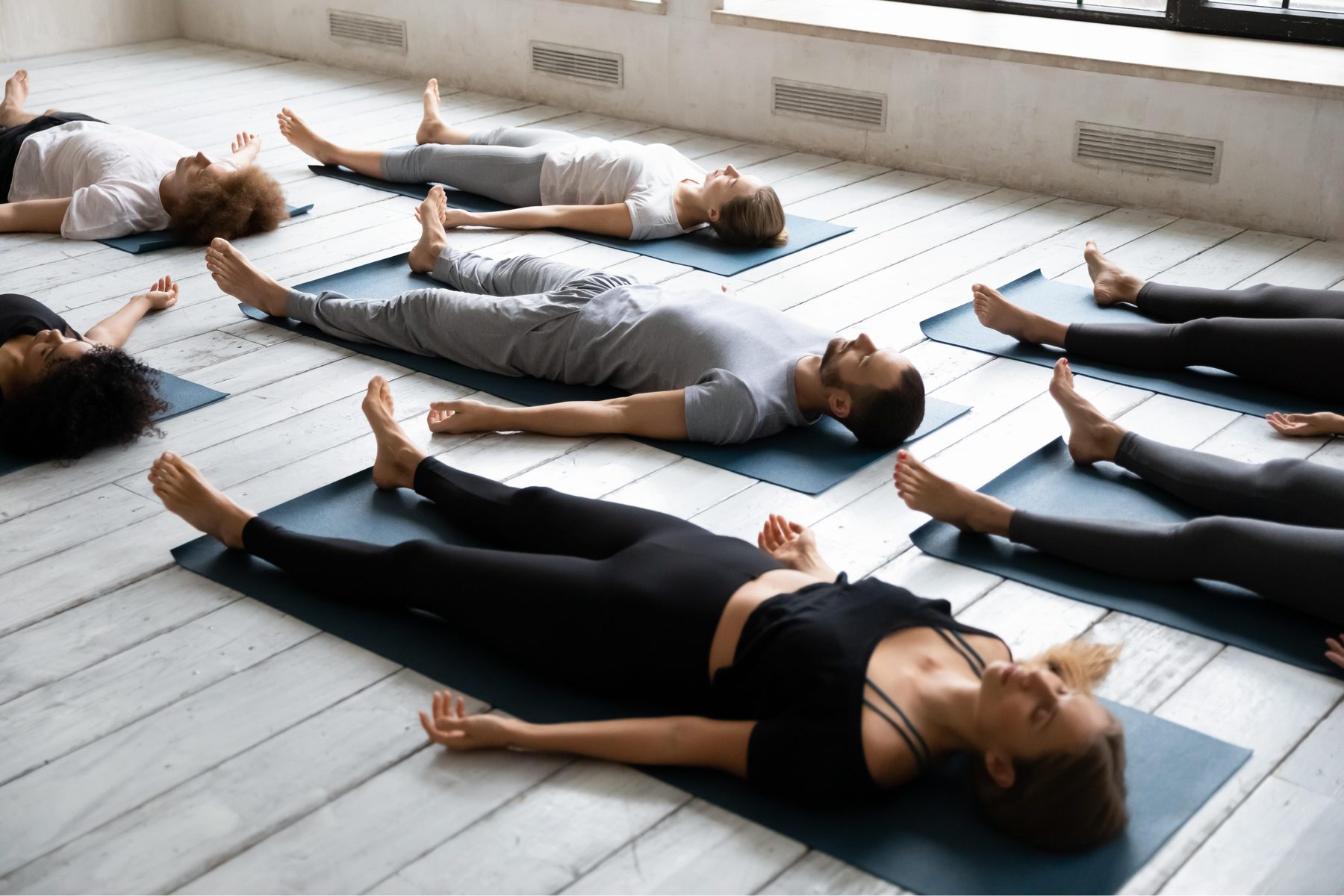
A standard Yin Breathwork class runs for 75 minutes. We hold the structure so you can pay attention to your own experience.
You'll settle onto a mat with bolsters, blankets and an eye pillow if you want one. We check in before we begin, including consent for any touch.
We guide the whole session. The breath is connected but not forced, with room to slow down whenever your body asks for it.
You might notice warmth, tingling, emotion or very little at all. None of those responses is a goal, and you don't need to explain what comes up.
Every session ends with a long integration. There's time to come back gradually, have a cup of tea and ask anything that's on your mind.
Who it suits
Yin Breathwork is open to complete beginners and experienced breathers. It often suits people who feel wired but tired, find it hard to switch off, or want to work with emotion without being pushed into intensity.
It isn't medical care or psychotherapy. If you're managing a cardiovascular or respiratory condition, pregnancy, epilepsy, or significant trauma, tell us before booking. We'll be honest about whether the class is a good fit.
Read the benefits and limitsCome as you are
You don't have to arrive calm, flexible or good at breathing. If you'd rather ask a question first, we're happy to talk it through.
For more on the thinking behind the practice, read Coming Back: a note on commitment.